Blood Sugar 300: Symptoms, Causes, and What to Do When Your Glucose Hits 300 mg/dL — A 2026 Clinical Guide
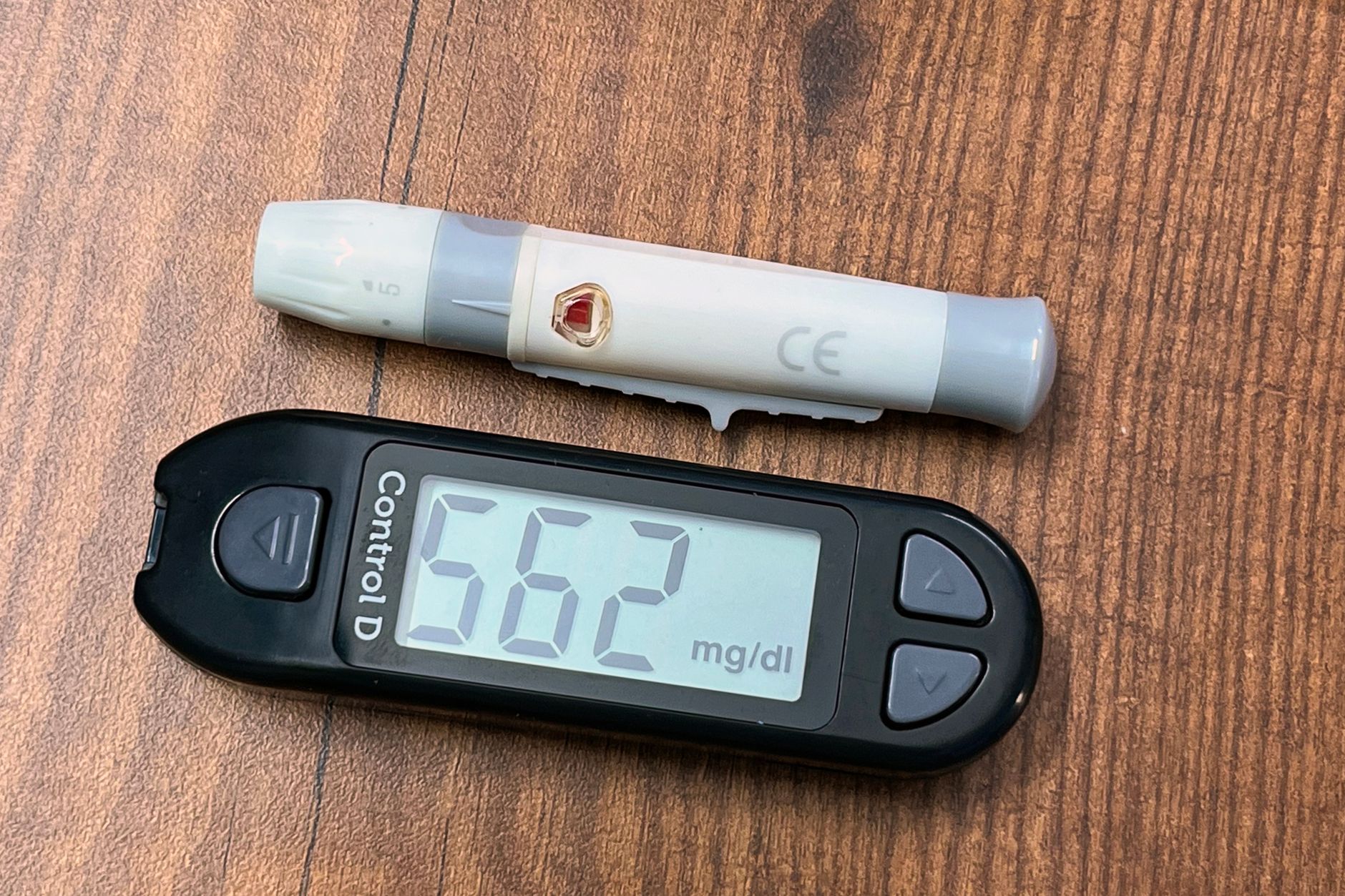
A blood sugar level of 300 mg/dL or higher is a significant hyperglycemic emergency. Recognizing the symptoms early can ...
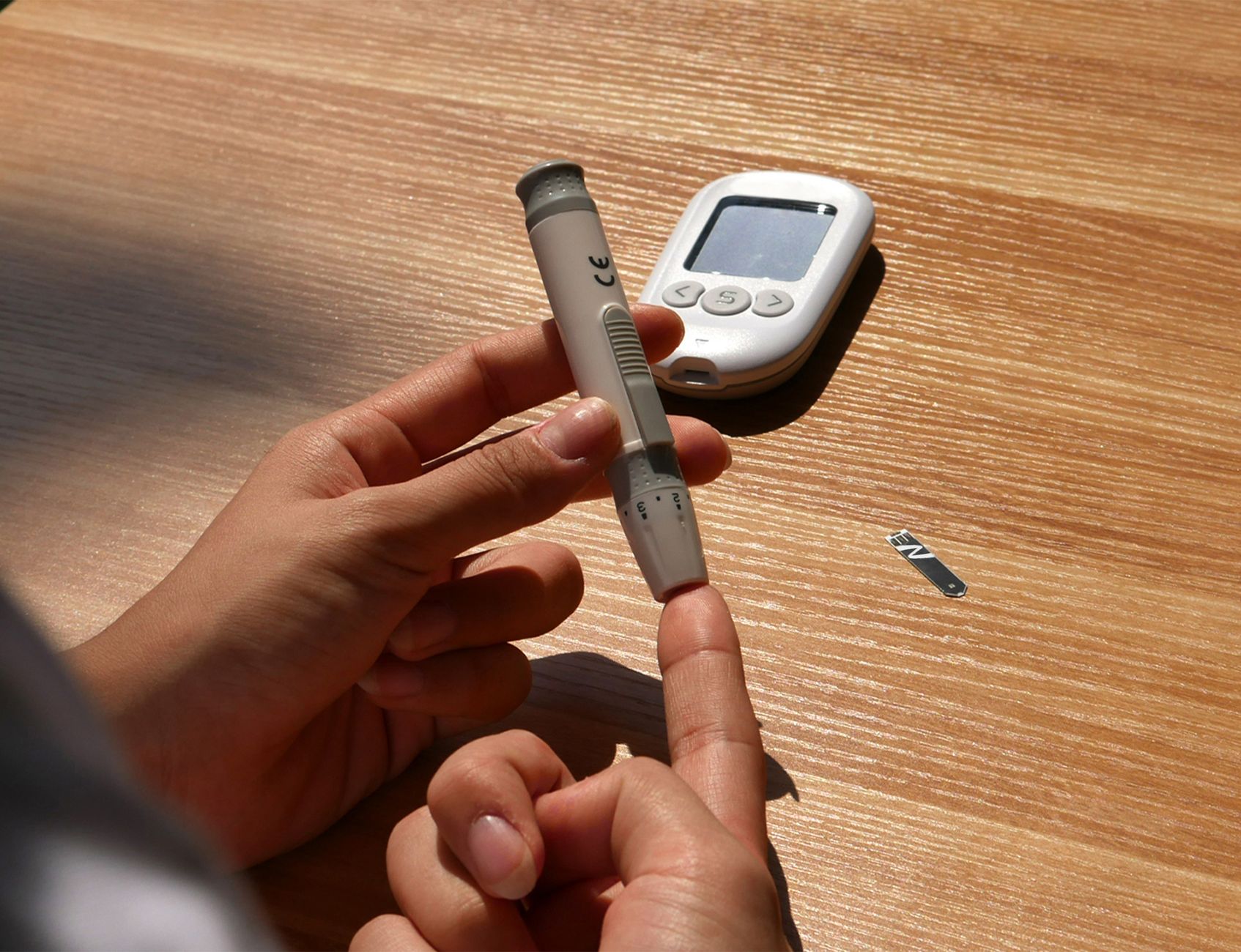
Learn exactly how clinicians define high blood sugar, which fasting and postprandial numbers signal danger, the differen...
Malignant hypertension is a life-threatening hypertensive emergency marked by severely elevated blood pressure and acute...
Shortness of breath that worsens over months, unexplained fatigue, chest pressure — pulmonary hypertension often mimics ...
A systolic pressure ≥180 mmHg or diastolic ≥120 mmHg with acute end‑organ damage demands immediate action. Learn the red...
Hypertensive urgency occurs when blood pressure spikes severely — systolic ≥180 or diastolic ≥120 mmHg — without immedia...
Shortness of breath in someone with hypertension is more than a symptom — it is a clinical signal that the cardiovascula...
Dizziness is one of the most misunderstood symptoms in people with hypertension. Here, we separate medication effects fr...
A pounding headache may be the first sign of dangerously elevated blood pressure. Learn how to tell the difference betwe...
Why persistently elevated glucose alters neurotransmitter balance, fuels irritability and anxiety, and what the latest e...
Clinically, high blood sugar can both cause rapid weight loss (in uncontrolled diabetes) and make intentional weight los...
Persistent itching may be more than dry skin — it can signal elevated glucose levels. This guide explains the mechanisms...