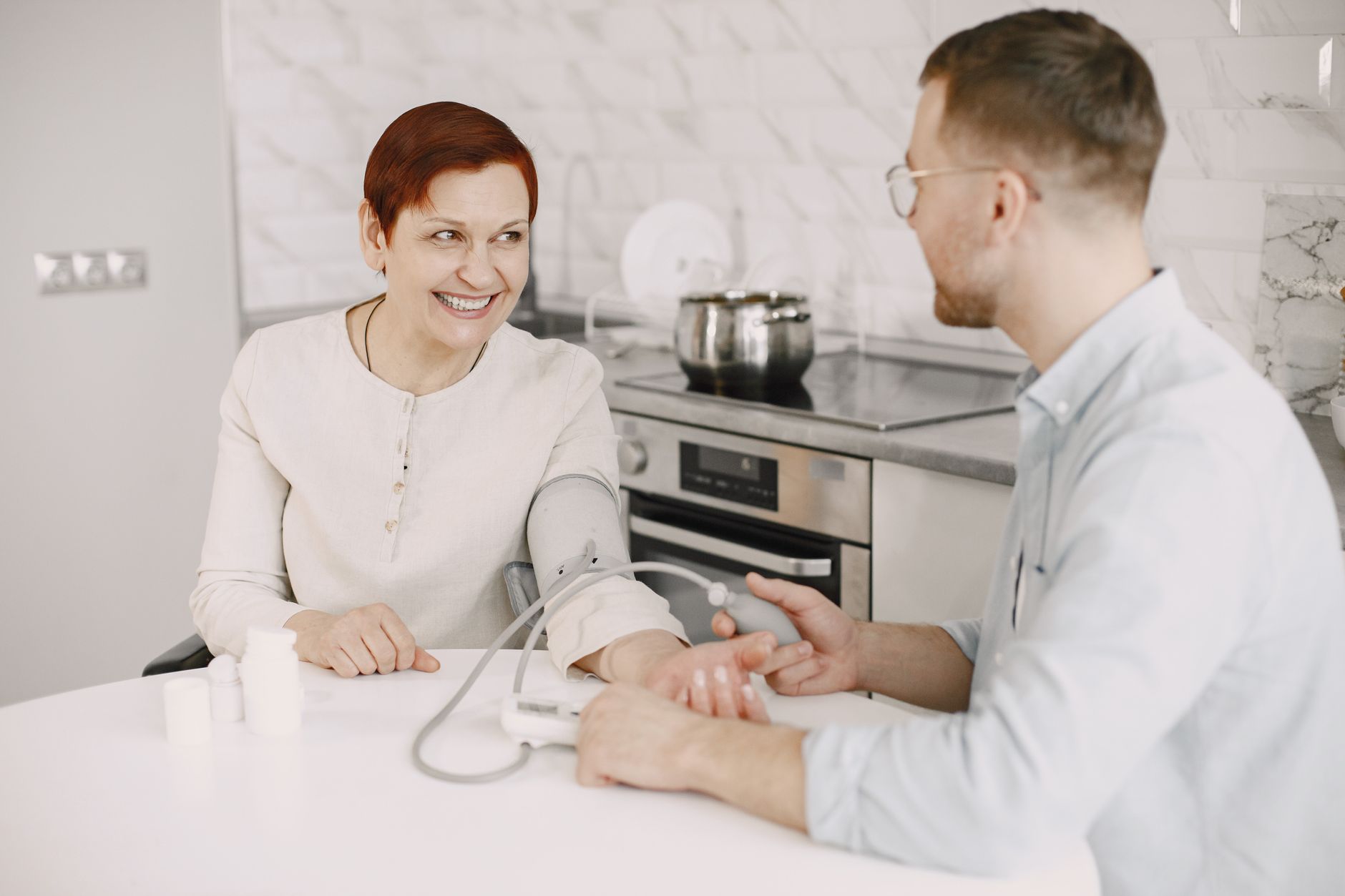
Hypertension rarely has a single cause. Here is what science now knows about the interplay of genetics, diet, lifestyle, and underlying conditions that drives blood pressure upward — and how to identify your own risk profile.
High blood pressure (hypertension) is caused by a combination of factors rather than a single trigger. The most common drivers include excess dietary sodium, being overweight or obese, physical inactivity, chronic stress, genetics, and increasing age. In about 5–10% of cases, an underlying condition such as kidney disease, thyroid disorders, or sleep apnea is responsible — this is called secondary hypertension. The 2024 AHA/ACC guidelines define hypertension as a sustained blood pressure of 130/80 mm Hg or higher.
- What Is High Blood Pressure? A Clinical Definition
- The Primary Causes of Hypertension
- Risk Factors That Raise Your Likelihood
- Recognizing the Signs — When to Pay Attention
- How Is It Diagnosed? Blood Pressure Categories
- Treatment and Management Approaches
- Lifestyle Changes That Lower Blood Pressure
- Potential Complications of Uncontrolled Hypertension
- When to See a Doctor
- Frequently Asked Questions
What Is High Blood Pressure? A Clinical Definition
Blood pressure is the force of blood pushing against the walls of your arteries as your heart pumps. Each heartbeat creates a pressure wave — the top number (systolic) measures pressure during a beat, and the bottom number (diastolic) measures pressure between beats. When either number stays chronically elevated, the condition is called hypertension.
The American Heart Association and American College of Cardiology classify hypertension as a sustained reading of 130/80 mm Hg or higher[1]. That threshold is lower than the older 140/90 cutoff, reflecting evidence that cardiovascular damage begins at lower levels than previously recognized. Nearly half of all U.S. adults — about 47% — have blood pressure above this threshold, according to CDC data[2].
Hypertension is often called the "silent killer" because it typically produces no symptoms until significant damage has already occurred. Understanding what drives it upward is the first step toward preventing that damage.
The Primary Causes of Hypertension
Hypertension divides into two broad categories based on whether an identifiable underlying condition is responsible. Each category has distinct causes.
Primary (Essential) Hypertension — The Most Common Type
About 90–95% of adults with high blood pressure have primary hypertension, meaning no single medical condition explains it. Instead, it arises from a combination of genetic, environmental, and behavioral factors that gradually stiffen arteries and raise resistance to blood flow. The following are the key contributors.
Excess dietary sodium and low potassium intake
The strongest dietary driver of hypertension is sodium. When you consume more salt than your kidneys can excrete, your body retains water to dilute the sodium, increasing blood volume and therefore pressure. The average American consumes about 3,400 mg of sodium daily — more than double the AHA's ideal limit of 1,500 mg. Meanwhile, low potassium intake (from insufficient fruits and vegetables) compounds the problem because potassium helps blood vessels relax and promotes sodium excretion. The DASH trial demonstrated that combining sodium restriction with increased potassium-rich foods can lower systolic blood pressure by 8–14 mm Hg[3].
Overweight and obesity
Excess body weight is one of the most potent modifiable risk factors for hypertension. Each kilogram of body fat requires about 1–2 miles of additional blood vessels to supply it, increasing cardiac output and peripheral resistance. Visceral fat — the deep abdominal fat that surrounds organs — is particularly metabolically active, secreting inflammatory substances that impair the ability of blood vessels to dilate. The Framingham Heart Study found that approximately 60–70% of hypertension cases in adults are directly attributable to excess adiposity[4]. Weight loss of even 5–10% of body weight can produce meaningful reductions in blood pressure.
Physical inactivity
Regular physical activity keeps blood vessels flexible and compliant. A sedentary lifestyle leads to stiffening of the arteries over time, increasing systolic pressure. The AHA recommends at least 150 minutes per week of moderate-intensity aerobic activity (such as brisk walking or cycling) to maintain healthy blood pressure. Regular exercise lowers resting blood pressure by 5–8 mm Hg on average, an effect comparable to some single-drug therapies[5].
Chronic stress and elevated cortisol
Acute stress raises blood pressure temporarily through adrenaline and cortisol release. When stress becomes chronic — from work, caregiving, financial pressure, or systemic factors like racism and neighborhood disadvantage — the body's stress-response system remains persistently activated. Elevated cortisol promotes sodium retention, increases blood volume, and damages the inner lining of blood vessels (endothelial dysfunction). A 2021 meta-analysis of 29 studies found that individuals reporting high chronic stress had a 27% higher odds of developing hypertension over follow-up periods of 5–15 years[6].
Genetics and family history
Hypertension runs strongly in families. Twin studies estimate that genetic factors account for 30–50% of inter-individual variation in blood pressure. Over 1,500 genetic variants have been associated with blood pressure regulation, most affecting the renin-angiotensin-aldosterone system (RAAS), sodium handling in the kidneys, and vascular tone. Having a first-degree relative (parent or sibling) with hypertension roughly doubles your lifetime risk[7]. However, genetics is not destiny — lifestyle factors powerfully modify whether genetic risk is expressed.
Age-related arterial stiffening
Blood pressure tends to rise with age as large arteries lose elasticity. The aorta and its major branches become stiffer over decades due to collagen deposition, elastin fragmentation, and calcification. This increases the speed at which the pressure wave travels through the circulatory system, raising systolic pressure while diastolic pressure often plateaus or even falls after age 60. By age 65, more than 60% of men and 70% of women in the U.S. have hypertension[2]. This is why isolated systolic hypertension (high top number, normal bottom number) is the most common form in older adults.
Secondary Hypertension — When an Underlying Condition Is Responsible
In 5–10% of cases, a specific, identifiable condition causes the blood pressure elevation. Treating the underlying cause often resolves the hypertension entirely or significantly reduces medication needs.
Kidney disease (renal hypertension)
The kidneys play a central role in long-term blood pressure regulation by controlling blood volume and releasing renin. Chronic kidney disease impairs the kidneys' ability to excrete sodium, leading to volume overload. Simultaneously, diseased kidneys may overproduce renin, activating the RAAS cascade that constricts blood vessels and raises pressure. Renal artery stenosis — narrowing of the arteries supplying the kidneys — is a classic curable cause of secondary hypertension, particularly in younger adults or those whose blood pressure suddenly worsens.
Sleep apnea
Obstructive sleep apnea (OSA) causes repeated episodes of oxygen desaturation during sleep, triggering surges in sympathetic nervous system activity and catecholamine release. Over time, this drives sustained hypertension. Approximately 50% of people with OSA have hypertension, and 30–40% of people with resistant hypertension have undiagnosed OSA[8]. Treatment with continuous positive airway pressure (CPAP) can lower blood pressure by 3–5 mm Hg on average, with greater reductions in those with more severe disease.
Thyroid disorders
Both hyperthyroidism (overactive thyroid) and hypothyroidism (underactive thyroid) can raise blood pressure, though through different mechanisms. Hyperthyroidism increases heart rate and cardiac output, raising systolic pressure. Hypothyroidism increases systemic vascular resistance, raising diastolic pressure more prominently. Thyroid dysfunction is easily diagnosed with a simple blood test and is typically reversible with appropriate treatment.
Primary aldosteronism (Conn's syndrome)
This condition — once considered rare but now recognized in 5–10% of all hypertension cases — involves the adrenal glands producing too much aldosterone. Aldosterone signals the kidneys to retain sodium and excrete potassium, leading to volume-dependent hypertension often accompanied by low potassium levels (hypokalemia). Primary aldosteronism is particularly common in people with resistant hypertension (blood pressure that remains above goal despite three or more medications).
Medications and substances that raise blood pressure
Several commonly used medications can cause or worsen hypertension: nonsteroidal anti-inflammatory drugs (NSAIDs like ibuprofen and naproxen), oral contraceptives containing estrogen, decongestants (pseudoephedrine), certain antidepressants (venlafaxine, MAOIs), corticosteroids, and immunosuppressants like cyclosporine and tacrolimus. Illicit substances including cocaine, amphetamines, and excessive alcohol also raise blood pressure acutely and chronically. A careful medication review by a healthcare provider is an essential step in any hypertension evaluation.
Risk Factors That Raise Your Likelihood
Some risk factors for hypertension are non-modifiable, but many are within your control. Understanding where you stand on each can help you and your doctor create a targeted prevention or treatment plan.
| Risk Factor | Category | Impact on Blood Pressure |
|---|---|---|
| Age ≥ 65 years | Non-modifiable | More than 60% of adults ≥ 65 have hypertension |
| Family history (first-degree relative) | Non-modifiable | ~2× increase in lifetime risk |
| Black or African American race/ethnicity | Non-modifiable | Highest prevalence globally; earlier onset, greater severity |
| High sodium intake (> 2,300 mg/day) | Modifiable | Raises systolic BP by 5–10 mm Hg in salt-sensitive individuals |
| Low potassium intake (< 2,600 mg/day) | Modifiable | Impairs sodium excretion, raises BP 2–4 mm Hg |
| Obesity (BMI ≥ 30 kg/m²) | Modifiable | 60–70% of hypertension attributable to excess weight |
| Physical inactivity | Modifiable | Increases risk by 30–50% vs. active individuals |
| Excess alcohol (> 2 drinks/day men, > 1 women) | Modifiable | Raises systolic BP by 3–6 mm Hg |
| Smoking or vaping | Modifiable | Acute rise of 10–20 mm Hg per episode; chronic arterial damage |
| Chronic stress | Modifiable | ~27% higher odds of incident hypertension |
| Diabetes or prediabetes | Modifiable | Approximately 2× risk vs. normoglycemic individuals |
Race is a particularly important risk factor in the U.S. Black adults develop hypertension at younger ages, have higher average blood pressure levels, and experience more severe target-organ damage (including stroke, kidney failure, and heart failure) than other racial groups[2]. This disparity reflects a combination of genetic salt sensitivity — driven in part by differences in the renal sodium-handling system — and social determinants such as chronic stress from systemic racism, unequal access to healthcare, and neighborhood environments that make healthy eating and physical activity more difficult.
The AHA/ACC guidelines recommend that Black adults with hypertension be started on a thiazide diuretic or a calcium channel blocker as first-line therapy, rather than an ACE inhibitor or ARB alone, because the latter two classes are less effective as monotherapy in this population due to differences in renin levels. Combination therapy is often needed from the outset.
Recognizing the Signs — When to Pay Attention
Hypertension is notorious for being asymptomatic until it has caused substantial damage. However, when blood pressure reaches dangerously high levels — a hypertensive emergency or urgency — certain signs can appear. Recognizing these warning signals can be lifesaving.
If you experience any of the above symptoms and your blood pressure is ≥ 180/120 mm Hg, call 911 or seek emergency care immediately. For most people with gradually elevated blood pressure, however, the best way to "recognize" the condition is through regular measurement — not symptoms.
How Is It Diagnosed? Blood Pressure Categories
Diagnosis is based on the average of two or more properly measured readings taken on at least two separate occasions. Home monitoring is increasingly used to confirm the diagnosis and distinguish sustained hypertension from "white-coat" hypertension (elevated only in a medical setting).
| Category | Systolic (mm Hg) | Diastolic (mm Hg) |
|---|---|---|
| Normal | < 120 | and < 80 |
| Elevated | 120–129 | and < 80 |
| Stage 1 Hypertension | 130–139 | or 80–89 |
| Stage 2 Hypertension | ≥ 140 | or ≥ 90 |
| Hypertensive Crisis | ≥ 180 | and/or ≥ 120 |
These thresholds come from the 2017 AHA/ACC guideline, which remains the standard in clinical practice through 2026[1]. Note that a single high reading does not constitute a diagnosis — blood pressure fluctuates naturally throughout the day based on activity, stress, and even the time of day. Confirmation requires multiple readings.
Once hypertension is diagnosed, your doctor will typically order additional tests to look for target-organ damage and potential secondary causes: a basic metabolic panel (kidney function, sodium, potassium), a lipid panel, urinalysis, an electrocardiogram (ECG), and possibly an echocardiogram or sleep study if secondary hypertension is suspected.
Treatment and Management Approaches
Treatment follows a stepped approach that begins with lifestyle modifications and escalates to medication when needed. The goal is to reduce blood pressure to below 130/80 mm Hg for most adults, though individual targets may vary.
First-Line Lifestyle Modifications
For stage 1 hypertension without additional cardiovascular risk factors, lifestyle changes alone may be sufficient. The AHA's "Life's Essential 8" framework identifies eight key behaviors that directly impact blood pressure: eat better, be more active, quit tobacco, get healthy sleep, manage weight, control cholesterol, manage blood sugar, and manage blood pressure itself[5].
Medication Therapy
When lifestyle changes are insufficient or when blood pressure is stage 2 at diagnosis, medication is indicated. First-line drug classes include:
- Thiazide diuretics (e.g., chlorthalidone, hydrochlorothiazide) — reduce blood volume by increasing sodium and water excretion
- ACE inhibitors (e.g., lisinopril, ramipril) — block angiotensin II production, allowing blood vessels to relax
- Angiotensin receptor blockers (ARBs) (e.g., losartan, valsartan) — block angiotensin II from binding to receptors
- Calcium channel blockers (e.g., amlodipine, nifedipine) — relax blood vessel walls by blocking calcium entry into smooth muscle cells
Many patients require two or more medications from different classes to achieve goal blood pressure. Combination pills are available to simplify dosing and improve adherence.
"Will I need medication for life?" For primary hypertension, the answer is often yes. High blood pressure is a chronic condition, not an acute infection. However, if you lose significant weight, adopt a DASH-style diet, and become physically active, your medication dose may be reduced — and in some cases, discontinued under medical supervision. Never stop or reduce medication on your own, as rebound hypertension can be dangerous.
Lifestyle Changes That Lower Blood Pressure
Few interventions in medicine offer as much leverage as lifestyle for blood pressure control. The following strategies have the strongest evidence base and are endorsed by the AHA, ACC, and the European Society of Cardiology.
- Adopt the DASH diet. The Dietary Approaches to Stop Hypertension (DASH) eating plan emphasizes fruits, vegetables, whole grains, lean protein, and low-fat dairy while limiting saturated fat, red meat, and added sugars. In landmark trials, the DASH diet lowered systolic blood pressure by 5–6 mm Hg in people with normal blood pressure and by 11–14 mm Hg in people with hypertension[3]. Pairing DASH with sodium restriction to ≤ 1,500 mg/day produces even greater reductions.
- Cut sodium — and boost potassium. Reducing sodium to below 2,300 mg/day (about 1 teaspoon of salt) is the minimum target; the ideal limit is 1,500 mg/day. Simultaneously increasing potassium intake to 3,500–5,000 mg/day through foods like bananas, spinach, sweet potatoes, beans, and yogurt amplifies the benefit.
- Move more, sit less. Aim for at least 150 minutes per week of moderate-intensity aerobic activity. Blood pressure drops within days of starting a consistent exercise routine. Resistance training (2–3 days per week) provides additional benefit.
- Limit alcohol. If you drink, limit intake to no more than two standard drinks per day for men and one for women. Heavy drinking raises blood pressure in a dose-dependent manner.
- Achieve and maintain a healthy weight. A 5–10% reduction in body weight can lower systolic blood pressure by 3–8 mm Hg. Weight loss of 10 kg or more can reduce the need for antihypertensive medications by 50% or more.
- Prioritize sleep. Poor sleep quality and short sleep duration (less than 6 hours per night) are independently linked to higher blood pressure. Treating underlying sleep apnea is a critical intervention for those affected.
- Manage stress proactively. Mindfulness meditation, cognitive behavioral therapy, and even simple practices like deep breathing for 5 minutes twice daily have been shown to modestly reduce blood pressure.
"Lifestyle modification is the cornerstone of both prevention and treatment of hypertension. It is not a consolation prize for people who cannot take medication — it is a potent intervention in its own right."
Potential Complications of Uncontrolled Hypertension
Sustained high blood pressure damages every organ system it touches. The damage is cumulative and often silent until function has been significantly compromised. Understanding these risks is a powerful motivator for early and sustained management.
- Heart attack and coronary artery disease. Hypertension accelerates atherosclerosis by subjecting artery walls to constant mechanical stress, creating inflammation and plaque formation. This is the leading cause of death in people with uncontrolled hypertension.
- Stroke. Both ischemic (clot-caused) and hemorrhagic (bleeding) strokes are 3–5 times more common in people with hypertension. Lowering systolic blood pressure by just 10 mm Hg reduces stroke risk by approximately 30–40%[1].
- Heart failure. The heart must work harder to pump against elevated pressure, leading to left ventricular hypertrophy (thickening of the heart muscle). Over time, the thickened muscle becomes stiff and less efficient, eventually failing as a pump.
- Kidney disease. Hypertension is the second leading cause of end-stage kidney disease in the U.S., after diabetes. Elevated pressure damages the delicate filtering units (nephrons) in the kidneys, progressively reducing their ability to filter waste.
- Vision loss. Hypertensive retinopathy damages the small blood vessels in the retina, leading to bleeding, fluid leakage, and in advanced cases, blindness.
- Cognitive decline and dementia. Midlife hypertension, particularly untreated systolic hypertension, is one of the strongest modifiable risk factors for vascular dementia and Alzheimer's disease later in life. Studies suggest that treating hypertension in middle age reduces dementia risk by 15–20%[9].
- Aortic aneurysm and dissection. Chronic pressure weakens the wall of the aorta, the body's largest artery, creating bulges (aneurysms) that can rupture or tear (dissection) — both of which are life-threatening emergencies.
When to See a Doctor
If you do not know your blood pressure numbers, the first step is to find out. The CDC recommends that adults 18 and older have their blood pressure measured at least once every 2 years if their readings are consistently below 120/80, and more frequently if they are elevated or have risk factors[2].
Schedule an appointment with your primary care provider if:
- Your blood pressure is consistently 130/80 mm Hg or higher based on home monitoring
- You have a family history of hypertension, heart disease, or stroke
- You have diabetes, chronic kidney disease, or obesity
- You are pregnant or planning pregnancy (preeclampsia risk)
- You are Black or African American (earlier and more frequent screening is recommended)
- You experience any of the warning symptoms listed earlier in this article
Seek emergency care if your blood pressure is 180/120 mm Hg or higher AND you have any of the following: chest pain, shortness of breath, severe headache, vision changes, confusion, or seizure. This is a hypertensive emergency requiring immediate medical intervention to prevent organ damage.
Frequently Asked Questions
Can high blood pressure be cured?
Primary hypertension cannot be "cured" in the sense of being permanently eliminated, but it can be effectively managed to normal levels through lifestyle changes and medication. In some cases — particularly after significant weight loss or when a reversible secondary cause is treated — blood pressure can normalize to the point where medication is no longer needed. However, close monitoring must continue because hypertension often returns if the underlying lifestyle or condition changes.
Is high blood pressure always genetic?
No. While genetics play a substantial role — accounting for 30–50% of blood pressure variation between individuals — lifestyle factors often determine whether genetic risk is expressed. Two people with identical genetic risk profiles can have very different blood pressures depending on their diet, weight, activity level, stress exposure, and sleep quality. Genetics loads the gun; lifestyle pulls the trigger.
Can stress alone cause chronic hypertension?
Chronic stress alone probably does not cause sustained hypertension in the absence of other risk factors, but it is a significant contributor. Stress raises blood pressure acutely and promotes behaviors (poor food choices, alcohol use, physical inactivity, sleep disruption) that independently raise blood pressure. The cumulative effect of stress plus these behavioral mediators can tip someone from prehypertension into full hypertension. Stress management should be part of a comprehensive treatment plan, not the only strategy.
Does caffeine raise blood pressure permanently?
Caffeine causes a temporary spike in blood pressure — typically 5–15 mm Hg systolic — within 30 minutes of consumption, lasting 2–4 hours. In regular caffeine consumers, tolerance develops and the pressor effect diminishes. Long-term coffee consumption is not associated with increased hypertension risk; in fact, some large cohort studies show a modest inverse association between habitual coffee drinking (3–4 cups/day) and cardiovascular mortality. The temporary effect, however, can matter for people with already elevated readings who are consuming large amounts of caffeine throughout the day.
Can high blood pressure cause headaches?
Mild to moderate hypertension (stages 1 and 2) rarely causes headaches despite popular belief. The "silent killer" label exists precisely because most people feel fine. However, when blood pressure reaches crisis levels — ≥ 180/120 mm Hg — a severe, throbbing headache can occur, often at the back of the head. This is a medical emergency. If you have a headache and your blood pressure is only mildly elevated, the headache is far more likely due to another cause (tension, migraine, sinus issues) than the blood pressure itself.
What is the best home blood pressure monitor?
The AHA recommends an automatic, cuff-style upper-arm monitor (not wrist or finger monitors). Look for devices validated by an independent organization such as the British and Irish Hypertension Society (BIHS), the Association for the Advancement of Medical Instrumentation (AAMI), or the European Society of Hypertension (ESH). Brands with validated models include Omron, Welch Allyn, Withings, and Microlife. Use a cuff size appropriate for your arm circumference — a too-small cuff overestimates blood pressure, while a too-large cuff underestimates it.
- High blood pressure is caused by a combination of genetic, dietary, lifestyle, and sometimes medical factors — not a single trigger. Excess sodium, obesity, inactivity, stress, and age are the most common drivers.
- About 5–10% of cases have an identifiable underlying cause (secondary hypertension), such as kidney disease, sleep apnea, or thyroid disorders. Treating the cause often resolves the hypertension.
- The 2024 AHA/ACC threshold for hypertension is 130/80 mm Hg, and nearly half of U.S. adults meet this criterion. Regular screening is essential because hypertension produces no symptoms until significant damage occurs.
- Lifestyle changes — the DASH diet, sodium restriction, weight loss, exercise, limited alcohol, and stress management — are first-line therapy and can reduce blood pressure by 5–14 mm Hg.
- Uncontrolled hypertension damages the heart, brain, kidneys, eyes, and arteries. Lowering blood pressure by even 10 mm Hg systolic reduces stroke risk by 30–40% and heart attack risk by approximately 20%.
- Management is lifelong for most people with primary hypertension, but with consistent treatment, normal blood pressure can be maintained and complications prevented.
- American Heart Association and American College of Cardiology. "2017 ACC/AHA Guideline for the Prevention, Detection, Evaluation, and Management of High Blood Pressure in Adults." Hypertension, vol. 71, no. 6, 2018, pp. e13–e115. (Updated scientific statements through 2025.)
- Centers for Disease Control and Prevention. "Hypertension Prevalence, Awareness, Treatment, and Control Among U.S. Adults." National Center for Health Statistics, National Health and Nutrition Examination Survey, 2017–2020 data. Accessed July 2026.
- Appel, Lawrence J., et al. "A Clinical Trial of the Effects of Dietary Patterns on Blood Pressure." New England Journal of Medicine, vol. 336, no. 16, 1997, pp. 1117–1124. (DASH Collaborative Research Group.)
- Framingham Heart Study. "Attribution of Hypertension to Excess Adiposity." Data reported in the American Journal of Hypertension, vol. 25, 2012, pp. 328–335.
- American Heart Association. "Life's Essential 8 — Blood Pressure Fact Sheet." AHA Scientific Statement, updated 2024. https://www.heart.org
- Liu, M. Y., et al. "Chronic Stress and Incident Hypertension: A Systematic Review and Meta-Analysis." Journal of Hypertension, vol. 39, no. 3, 2021, pp. 431–440.
- Ehret, Georg B., and Peter M. Munroe. "Genetic Determinants of Blood Pressure and Hypertension." Nature Reviews Nephrology, vol. 12, 2016, pp. 451–462.
- Pedrosa, Rodrigo P., et al. "Obstructive Sleep Apnea and Resistant Hypertension: A Case-Control Study." Chest, vol. 144, no. 5, 2013, pp. 1635–1642.
- SPRINT MIND Investigators. "Effect of Intensive vs Standard Blood Pressure Control on Probable Dementia." JAMA, vol. 321, no. 6, 2019, pp. 553–561.