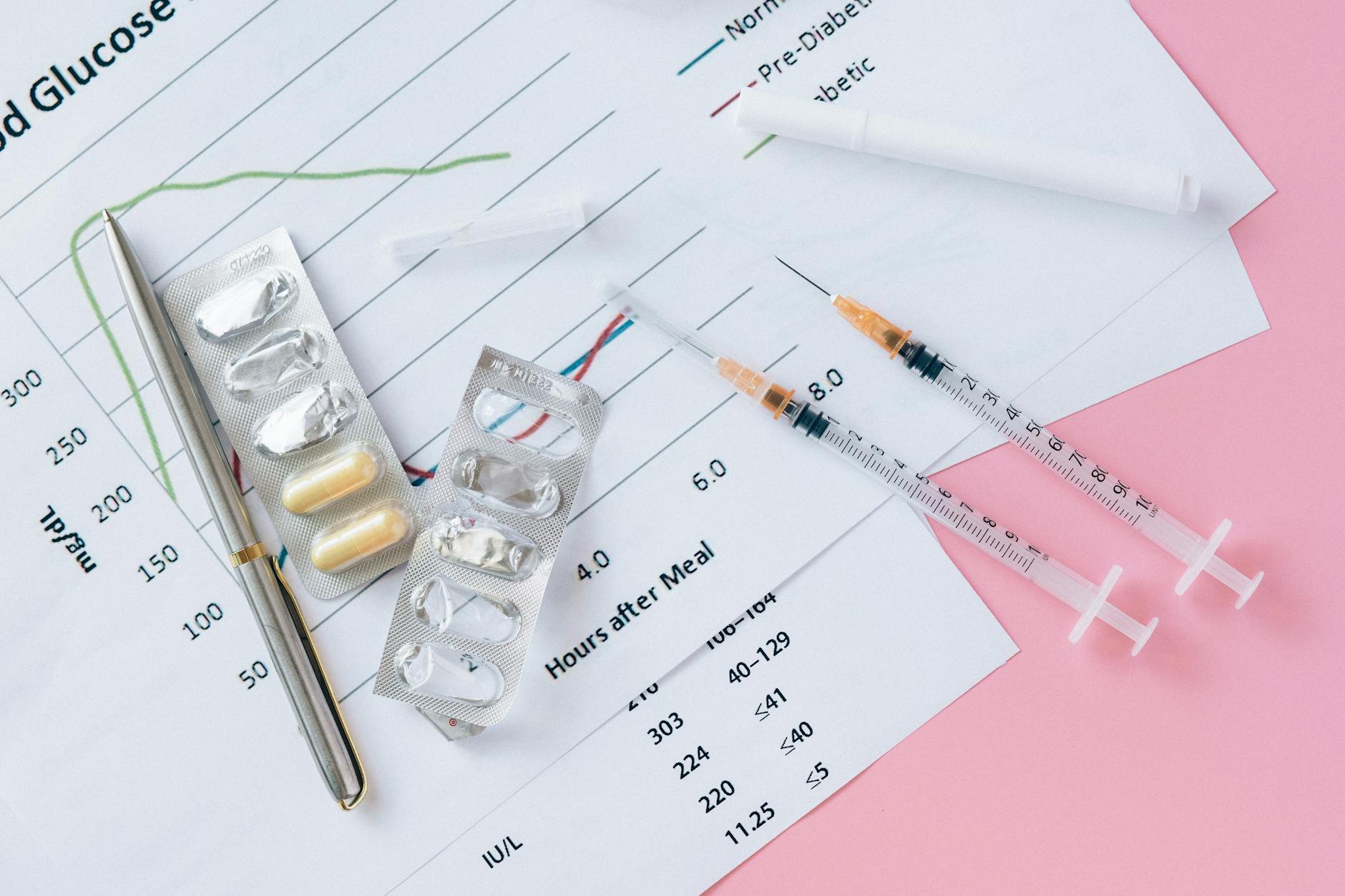
Waking up to a fasting glucose reading above 100 mg/dL can be confusing — especially when your numbers were fine before bed. Here's what morning highs actually mean for people with and without diabetes.
Yes, mild morning blood sugar elevation is a normal physiological response in everyone — but the degree matters. In people without diabetes, fasting glucose typically stays below 100 mg/dL despite the dawn phenomenon. A morning reading of 126 mg/dL or higher on two separate occasions meets the diagnostic threshold for diabetes per the American Diabetes Association.[1] The key is distinguishing between benign hormonal surges and true fasting hyperglycemia.
- What Actually Happens to Blood Sugar Overnight
- Dawn Phenomenon vs. Somogyi Effect: Two Different Causes
- What Normal Morning Blood Sugar Looks Like
- Other Reasons for Morning Highs — Beyond Diabetes
- When Morning Highs Signal a Problem
- How to Manage Morning Blood Sugar Spikes
- Frequently Asked Questions
What Actually Happens to Blood Sugar Overnight
Your body does not stop working while you sleep. Between roughly 2 a.m. and 8 a.m., your liver quietly releases stored glucose into the bloodstream — a process called hepatic glucose production. This is driven by a natural rise in growth hormone, cortisol, and catecholamines (adrenaline-like compounds) that prepare your body for waking.[2]
In a person with normal insulin sensitivity, the pancreas responds by releasing a small burst of insulin to keep that glucose within a tight range — typically 70–99 mg/dL. The entire process is so seamless that most people never notice it.
But when insulin resistance is present — or when insulin production is insufficient — that same overnight glucose release can push morning readings well above the normal range. This is not inherently abnormal; it is an exaggerated version of a process that happens in everyone.
"The dawn phenomenon is a universal biological event. What changes is the body's ability to compensate."
— American Diabetes Association, Standards of Care 2025
The magnitude of the rise depends on your metabolic health. For someone without diabetes, the overnight glucose increase is rarely more than 10–15 mg/dL from the bedtime value. For someone with type 2 diabetes, that same hormonal surge can raise glucose by 30–60 mg/dL or more.
Dawn Phenomenon vs. Somogyi Effect: Two Different Causes
Not all morning highs are created equal. Understanding which pattern you are experiencing changes how you respond.
What it is: A natural rise in blood sugar due to early-morning hormone surges (cortisol, growth hormone). The liver releases glucose; the pancreas cannot keep up in people with diabetes or prediabetes. Pattern: Glucose is stable overnight and climbs starting around 3–4 a.m.
What it is: A "rebound" high triggered by a low blood sugar (hypoglycemia) during the night — often around 2–3 a.m. The body releases counter-regulatory hormones to correct the low, which overshoots. Pattern: Low at 2–3 a.m., high on waking.
The Somogyi effect is less common but particularly relevant for people on insulin or sulfonylureas. A 2–3 a.m. glucose check can distinguish the two: if that middle-of-the-night reading is low, the morning high is likely a Somogyi rebound. If it is normal or already elevated, the dawn phenomenon is the more likely culprit.[3]
If you take insulin and experience recurrent morning highs, your clinician may ask you to check glucose once between 2 a.m. and 3 a.m. for 3–5 nights. That single data point often changes the treatment strategy entirely — whether to adjust basal insulin dose or timing rather than adding more medication for the dawn phenomenon.
What Normal Morning Blood Sugar Actually Looks Like
The term "normal" depends on whether a person has a diabetes diagnosis. The American Diabetes Association and the World Health Organization have established clear fasting glucose thresholds based on population data and outcomes research.[1]
| Category | Fasting Morning Glucose (mg/dL) | What It Means |
|---|---|---|
| Normal (no diabetes) | 70 – 99 | Healthy glucose regulation; expected dawn rise is minimal |
| Prediabetes (impaired fasting glucose) | 100 – 125 | The dawn phenomenon is outpacing insulin response; risk of progression |
| Diabetes (diagnostic threshold) | 126 or higher | Consistent fasting hyperglycemia; medical evaluation needed |
| Post-meal or random (any time) | 200 or higher | Additional diagnostic criterion for diabetes |
A single reading of 100–125 mg/dL does not automatically mean prediabetes — stress, illness, or a poor night's sleep can nudge it up. But if the pattern persists across multiple mornings, it warrants discussion with a healthcare provider.
For people already diagnosed with diabetes, the target fasting glucose range recommended by the ADA is typically 80–130 mg/dL, though individual targets may vary based on age, duration of disease, and comorbidities.[4]
Other Reasons for Morning Highs — Beyond Diabetes
Even people without diabetes can wake up with elevated fasting glucose. Several non-diabetes factors can temporarily raise morning readings.
Poor or disrupted sleep
Sleep deprivation — even a single night of fewer than 5–6 hours — raises cortisol and sympathetic nervous system activity, which increases hepatic glucose output. Studies show that partial sleep restriction reduces insulin sensitivity by roughly 20–30% in healthy adults.[5]
High-carb or late-evening meals
Eating a large carbohydrate-heavy meal within two hours of bedtime can delay the overnight drop in blood sugar. The digestive glucose load may not fully clear before dawn, compounding the natural morning rise.
Stress and anxiety
Chronic stress maintains higher baseline cortisol levels, which directly stimulate gluconeogenesis in the liver. This is a survival mechanism — but when stress is persistent, it can mimic the metabolic profile of early insulin resistance.
Medications and supplements
Corticosteroids (prednisone), certain diuretics, beta-blockers, and even some antihistamines can raise fasting glucose. Even over-the-counter decongestants containing pseudoephedrine can transiently elevate blood sugar.[6]
The "dawn phenomenon" in pregnancy
Pregnancy-related hormonal changes — particularly human placental lactogen — can worsen insulin resistance in the third trimester. Morning fasting glucose is routinely screened for gestational diabetes, with a threshold of 92 mg/dL or higher considered abnormal for pregnant individuals.[7]
When Morning Highs Signal a Problem — and What to Do
Occasional morning elevations — after a heavy dinner or a poor night of sleep — are not a cause for alarm. But persistent patterns carry meaning.
The clinical danger of untreated morning hyperglycemia is not the spike itself — it is the metabolic load that accumulates over weeks and months. Chronic fasting hyperglycemia is a stronger predictor of cardiovascular events than post-meal spikes in some studies.[8]
For people already diagnosed with diabetes, persistent morning highs ≥ 180 mg/dL indicate a need to reassess the treatment regimen. The most common adjustments involve basal insulin timing (switching from bedtime to morning dosing) or adding a medication that targets dawn phenomenon specifically, such as a sulfonylurea taken at bedtime or an evening dose of metformin extended-release.
A patient with type 2 diabetes who keeps fasting glucose between 90 and 120 mg/dL over 90% of mornings — even with a mild dawn rise — has significantly lower risk of microvascular complications. Consistency, not perfection, is the target.
How to Manage Morning Blood Sugar Spikes — Practical Steps
Whether you have diabetes or are simply seeing your fasting numbers creep up, these strategies can help blunt the morning rise.
Increasing your diabetes medication dose on your own — especially insulin — without confirming whether the pattern is dawn phenomenon versus Somogyi effect can cause dangerous nocturnal hypoglycemia. If you are waking up with highs and cannot identify the pattern after 3–5 days of 2 a.m. checks, consult your healthcare team before making changes.
Frequently Asked Questions
Is it normal to have a blood sugar of 110 in the morning without diabetes?
A fasting glucose of 110 mg/dL falls into the impaired fasting glucose (prediabetes) range. While a single reading can be influenced by sleep, stress, or a late meal, a repeat value in the same range suggests reduced insulin sensitivity. It is worth discussing with your primary care provider — especially if you have other risk factors such as a family history of diabetes, excess abdominal weight, or a sedentary lifestyle.
Can anxiety cause high fasting blood sugar?
Yes. Anxiety activates the sympathetic nervous system and the hypothalamic-pituitary-adrenal axis, both of which raise cortisol and catecholamines. These hormones directly stimulate the liver to produce glucose. In people with underlying insulin resistance, the effect is more pronounced. Treating the anxiety — through therapy, medication, or stress-reduction techniques — can sometimes normalize fasting glucose without any diabetes-specific intervention.
Does coffee before a fasting glucose test raise blood sugar?
Yes, and significantly so for some individuals. Black coffee can cause an acute glucose rise of 15–30 mg/dL in people with diabetes or prediabetes due to caffeine's effect on hepatic glucose output and a transient reduction in insulin sensitivity. For a true fasting glucose measurement, only plain water should be consumed before the test.
Will exercise in the morning help lower fasting glucose?
Regular morning exercise — particularly moderate aerobic activity (walking, cycling, swimming) — improves insulin sensitivity and can lower fasting glucose over time. However, intense exercise first thing in the morning can temporarily raise glucose due to a catecholamine surge. The long-term benefit outweighs the acute effect, but if you notice a consistent post-exercise spike, try a lighter warm-up or shift exercise to later in the day.
What is the difference between fasting and postprandial glucose?
Fasting glucose is measured after at least 8 hours without caloric intake and reflects basal glucose regulation — how well your liver and pancreas maintain stability overnight. Postprandial glucose is measured 1–2 hours after the start of a meal and reflects how effectively your body handles a carbohydrate load. Both are important, but fasting glucose is more closely linked to the dawn phenomenon and overnight hormone cycles.
- Mild morning blood sugar elevation is a normal physiological response to overnight hormone surges (dawn phenomenon) — the key is whether your body can compensate.
- Normal fasting glucose is 70–99 mg/dL; 100–125 mg/dL indicates prediabetes; 126 mg/dL or higher on two occasions meets the diagnostic threshold for diabetes.
- The Somogyi effect (rebound high after nocturnal low) requires a different treatment approach than the dawn phenomenon — checking glucose at 2–3 a.m. can distinguish the two.
- Sleep quality, stress, late meals, and certain medications can raise morning glucose even in people without diabetes.
- Persistent morning highs ≥ 130 mg/dL for people with diabetes signal a need to reassess medication timing, dose, or type — always with clinical guidance.
- American Diabetes Association. Standards of Care in Diabetes — 2025. Diabetes Care. 2025;48(Suppl 1).
- Van Cauter E, Polonsky KS, Scheen AJ. Roles of circadian rhythmicity and sleep in human glucose regulation. Endocrine Reviews. 1997;18(5):716–738.
- Bolli GB. The dawn phenomenon and the Somogyi effect in the pathogenesis of morning hyperglycemia. Diabetologia. 1982;23(4):349–354.
- American Diabetes Association. Glycemic Targets: Standards of Care in Diabetes — 2025. Diabetes Care. 2025;48(Suppl 1):S97–S111.
- Spiegel K, Leproult R, Van Cauter E. Impact of sleep debt on metabolic and endocrine function. The Lancet. 1999;354(9188):1435–1439.
- U.S. Food and Drug Administration. Drug-Induced Hyperglycemia: A Review of the Literature. FDA Safety Communications. 2023.
- American College of Obstetricians and Gynecologists. Gestational Diabetes Mellitus. ACOG Practice Bulletin No. 190. 2018.
- DECODE Study Group. Glucose tolerance and mortality: comparison of WHO and ADA diagnostic criteria. The Lancet. 1999;354(9179):617–621.
- Cappuccio FP, D'Elia L, Strazzullo P, Miller MA. Quantity and quality of sleep and incidence of type 2 diabetes: a systematic review and meta-analysis. Diabetes Care. 2010;33(2):414–420.