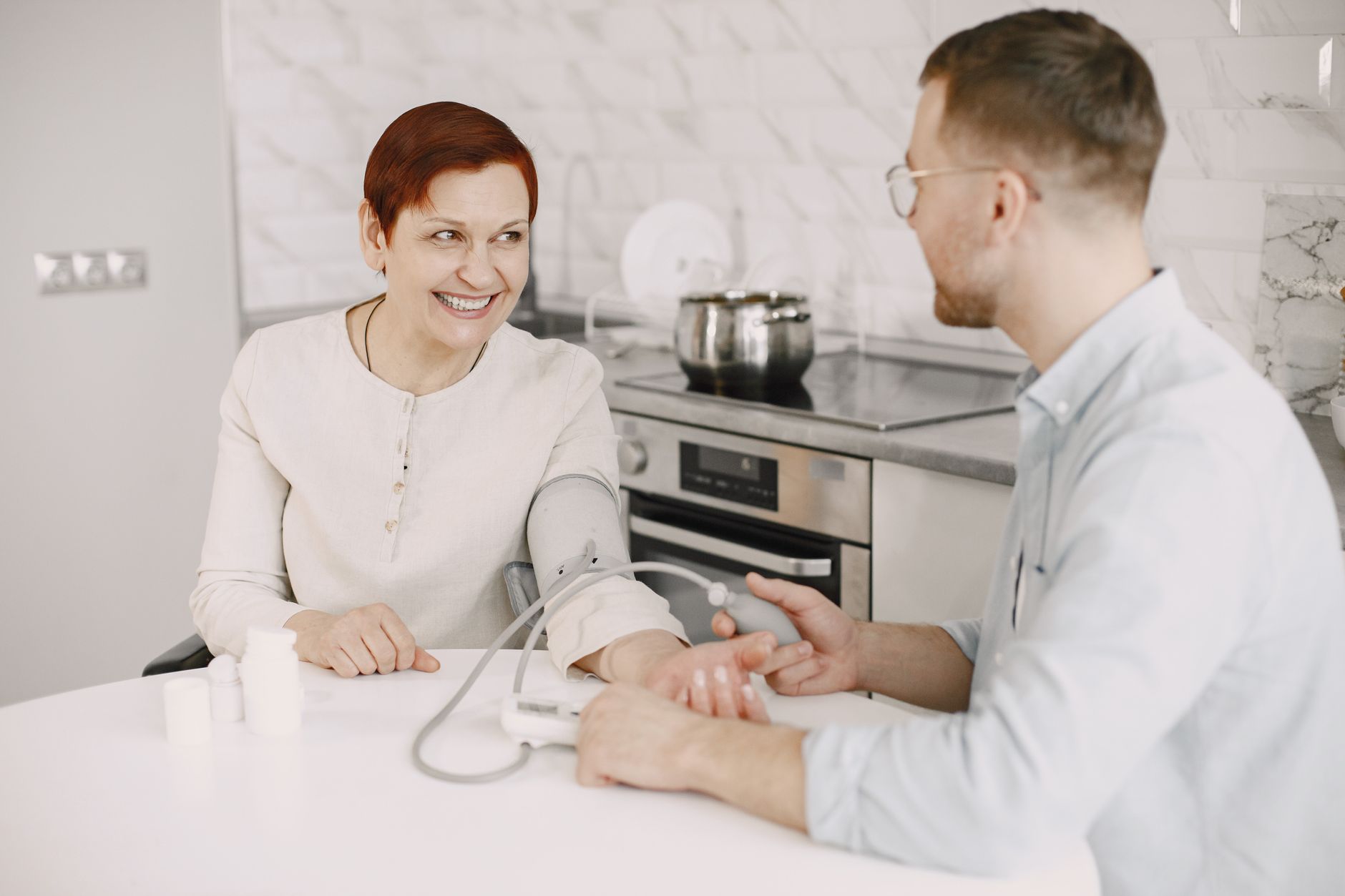
Not all cooking techniques are equal when it comes to managing hypertension. Learn which methods protect your vessels, which ones add hidden sodium and inflammatory compounds, and how to build a heart-healthy cooking routine that supports healthy blood pressure readings.
The most blood-pressure-friendly cooking methods are steaming, poaching, braising, roasting (at moderate temperatures), and stir-frying with minimal oil. These techniques help you control sodium, preserve potassium and magnesium, and avoid forming advanced glycation end-products (AGEs) and trans fats that stiffen blood vessels. The American Heart Association recommends limiting sodium to 2,300 mg per day — and the cooking method you choose is one of the biggest levers for staying under that ceiling.
The 7-Point Cooking Checklist for Blood Pressure Control
Each item on this checklist targets a specific mechanism — sodium load, potassium retention, fat quality, or the formation of vascular-damaging compounds. Work through them in order, or pick the two or three that represent the biggest gap in your current cooking routine.
Step-by-Step Protocols for Key Methods
Knowing which method to use is one thing — executing it consistently is another. Below are three detailed protocols for the cooking techniques that deliver the highest return on investment for blood pressure health.
Protocol 1: Perfect Steaming for Vegetables and Fish
Protocol 2: Low-and-Slow Braising for Meats and Legumes
Protocol 3: Quick Stir-Frying for Vegetables and Lean Protein
Common Mistakes That Undermine Blood Pressure Progress
"The single biggest dietary source of sodium in the American diet is not the salt shaker — it's processed foods and cooking methods that rely on high-sodium ingredients. Changing how you cook can reduce daily sodium intake by 1,000 mg or more."
What Success Looks Like: A Day of Heart-Smart Cooking
Below is a sample day that puts all seven checklist items into practice. Each meal uses cooking methods that preserve nutrients, limit sodium, and avoid vascular-damaging compounds.
| Meal | Dish | Cooking Method | Why It Works |
|---|---|---|---|
| Breakfast | Steamed egg bites with spinach and mushrooms | Steaming in ramekins | No oil needed; retains potassium from spinach; zero sodium added |
| Lunch | Baked salmon with lemon-herb crust and roasted asparagus | Baking at 375°F (190°C) | Moderate heat limits AGEs; lemon and herbs replace salt; asparagus provides natural potassium |
| Snack | Stir-fried edamame with garlic and rice vinegar | Quick stir-fry | Minimal oil; vinegar-based finish; edamame delivers magnesium and fiber |
| Dinner | Braised chicken thighs with tomatoes, onions, and no-salt broth | Low-and-slow braise at 300°F (150°C) | Deep flavor from browning and reduction, not sodium; tender meat without added fat |
| Side | Steamed quinoa with lemon zest and fresh parsley | Steaming in minimal water | Preserves grain nutrients; bright flavor from acid and herbs |
When to Talk to Your Doctor About Dietary Changes
Adjusting your cooking methods is a powerful tool, but it is not a replacement for medical treatment. Discuss your blood pressure goals with your healthcare provider if:
Frequently Asked Questions
Is air frying a good cooking method for blood pressure?
Air frying can be a reasonable alternative to deep frying because it uses significantly less oil and produces fewer AGEs than traditional deep frying. However, many frozen air-fryer products (frozen fries, breaded chicken) come pre-seasoned with substantial sodium — a single serving can contain 400–600 mg. If you air fry, start with raw ingredients and season them yourself with herbs and spices to keep sodium under control.
Does cooking with a pressure cooker (Instant Pot) affect sodium or nutrient retention?
Pressure cooking uses less water than boiling and shorter cooking times than braising, which helps retain water-soluble nutrients like potassium and magnesium. The sealed environment also concentrates flavor naturally, so you can reduce or eliminate added salt. Just be mindful of recipes that call for canned broths, soy sauce, or seasoning packets — swap them for no-salt-added alternatives or homemade blends.
Is grilling safe for blood pressure if I avoid charring?
Yes — grilling at moderate heat (300–375°F, indirect heat) with a marinade that includes citrus or vinegar can be a heart-healthy method. The key is to avoid charring or blackening. Marinating for at least 30 minutes in an acidic base (lemon juice, vinegar, wine) has been shown to reduce HCA formation by 50–90%. Pair grilled proteins with steamed or grilled vegetables, and skip the high-sodium barbecue sauces.
Can I use salt substitutes like potassium chloride in cooking?
Potassium chloride–based salt substitutes (e.g., Nu-Salt, NoSalt) can reduce sodium intake, but they are not suitable for everyone. People with chronic kidney disease, those taking ACE inhibitors, angiotensin receptor blockers (ARBs), or potassium-sparing diuretics may develop dangerously high potassium levels (hyperkalemia) if they use these products. Always check with your doctor before switching to a potassium-based salt substitute.
Does microwaving vegetables destroy their blood-pressure-lowering nutrients?
Microwaving is one of the best methods for preserving water-soluble nutrients because it uses very little water and short cooking times. A 2019 review in the Journal of Food Science found that microwaving retained more potassium and vitamin C than boiling or pressure cooking for most vegetables. Use a microwave-safe dish with a lid or a bowl covered with a plate, and add only 1–2 tablespoons of water.
- Steaming, poaching, braising, moderate roasting, and quick stir-frying are the most blood-pressure-friendly cooking methods because they preserve potassium and magnesium while limiting sodium and AGE formation.
- The average adult consumes about 3,400 mg of sodium daily — roughly 1,100 mg above the AHA's recommended upper limit of 2,300 mg. Changing cooking methods can close that gap without relying on willpower at the table [2].
- Acid (lemon juice, vinegar) and aromatic vegetables (garlic, onions, ginger) are the most effective replacements for salt in cooking — they activate umami and sour taste receptors that compensate for reduced sodium.
- High-heat cooking methods (frying, char-grilling, broiling above 400°F) generate compounds that contribute to arterial stiffness and endothelial dysfunction, counteracting some of the dietary benefits of low-sodium ingredients.
- Always consult your healthcare provider before making large changes to sodium or potassium intake, especially if you have kidney disease, heart failure, or take blood pressure medication.
- American Heart Association. "DASH Diet: What It Is and How It Helps Lower Blood Pressure." AHA Scientific Statement, 2023. https://www.heart.org
- American Heart Association. "Sodium and Salt: How to Reduce Your Intake." AHA Dietary Recommendations, 2024. https://www.heart.org
- Whelton PK et al. "2017 ACC/AHA Guideline for the Prevention, Detection, Evaluation, and Management of High Blood Pressure in Adults." Journal of the American College of Cardiology, vol. 71, no. 19, 2018, pp. e127–e248.
- American Heart Association / American College of Cardiology. "2024 Guideline for the Management of High Blood Pressure in Adults." AHA/ACC Joint Guideline, 2024. https://www.heart.org